安徽事业单位笔试
职测 · 公共基础知识 · 第 9/119 页
题目列表共 5924 道 · 第 9/119 页 · 点题即可作答
言语理解与表达单选真题改编 · 2017
401. 当三个女子从容地辗转于文明人所发明的枪弹的攒射中的时候,这是怎样的一种惊心动魄的伟大啊!八国军队屠戮妇婴的 ,八国联军惩创学生的 ,不幸全被这几缕血痕抹杀了。
填入画横线部分最恰当的一项是( )。
练习本题 ›
单项选择题单选真题改编 · 2020
402. 下列情形中,属于法律制裁的一项是( )。
练习本题 ›
单项选择题单选真题改编 · 2018
403. 公众层面的现象与专业层面的表现,看似相距甚远,实则紧密相连。不从事专业研究的社会公众固然不会参与科学技术前沿的创新。但实际上,公众素养是科技发展的土壤。离开了这个群众基础,即使我们凭借少数科技精英的努力能够实现“上天入地”,也很难持续不断地推动创新,真正迈入创新型国家的行列。
这段文字的核心观点是( )。
练习本题 ›
单项选择题单选真题改编 · 2018
404. 关于我国法律规定贪污贿赂罪,说法有误的是( )。
练习本题 ›
单项选择题单选真题改编 · 2021
405. 提出了一个具有划时代意义的概念--目标管理,被誉为现代管理学之父的是( )。
练习本题 ›
言语理解与表达单选真题改编 · 2018
406. 莫高窟的塑像,每一尊都是一件精美的艺术品。最大的有九层楼那么高,最小的还不如一个手掌大。这些塑像色彩鲜明,神态各异。有慈眉善目的菩萨,有威风凛凛的天王,还有强壮勇猛的力士······
这段话主要讲的是莫高窟的( )艺术。
练习本题 ›
事业单位非联考事业单位非联考(安徽省)单选难度 2
407. 2013年1—2月经该海关出口总额约为多少亿美元?
练习本题 ›
单项选择题单选真题改编 · 2021
408. 市场上出现了一种声称可以抑制甚至杀灭胃癌头号“元凶”幽门螺旋杆菌的牙膏。记者调查发现,目前多家网购平台上均有多款抗幽门螺旋杆菌牙膏在售,每支牙膏价格从十几元至上百元不等。还有商家称其抗幽门螺旋杆菌牙膏专治幽门螺旋杆菌,对口腔和胃内的幽门螺旋杆菌均有作用,一支就可见效。
以下哪一项如果为真,最能削弱上述商家说法?( )
练习本题 ›
言语理解与表达单选真题改编 · 2019
409. 古老的长江见证了人类的进步,在人类进步的历史长河中演绎着无数新与旧的更迭,这就是历史。
填入画横线部分最恰当的一项是( )。
练习本题 ›
言语理解与表达单选真题改编 · 2018
410. 下列成语中没有错别字的一项是:( )
练习本题 ›
单项选择题单选真题改编 · 2019
411. 主张“越名教而任自然,审贵贱而通物情”的安徽籍竹林七贤精神领袖是( )。
练习本题 ›
单项选择题单选真题改编 · 2018
412. 宪法是国家的根本大法,是治国安邦的总章程。我国现行《宪法》是在( )年宪法的基础发展而来。
练习本题 ›
单项选择题单选真题改编 · 2020
413. 下列物理变化中,其表象与实质对应不正确的是( )。
练习本题 ›
言语理解与表达单选真题改编 · 2019
414. 据数据显示,2018年中国旅游业总收入达6.0万亿元,对中国GDP的综合贡献为9.9万亿元,占国内GDP总量的 。越来越多的人走出家门去领略异地的风光,与此同时,社会上也出现了“不合理低价游”的不良现象。打击“不合理低价游”不是打地鼠,不能一侧发力一侧放松,只有强调从业人员依法合规的职业素养, 从业人员强制交易的不法行为,全国一盘棋,上下游齐心,多种手段综合施策,才能让旅游乱象 。
依次填入画横线部分最恰当的一项是( )。
。越来越多的人走出家门去领略异地的风光,与此同时,社会上也出现了“不合理低价游”的不良现象。打击“不合理低价游”不是打地鼠,不能一侧发力一侧放松,只有强调从业人员依法合规的职业素养, 从业人员强制交易的不法行为,全国一盘棋,上下游齐心,多种手段综合施策,才能让旅游乱象 。
依次填入画横线部分最恰当的一项是( )。练习本题 ›
单项选择题单选真题改编 · 2021
415. 秦始皇和汉武帝都是杰出的帝王,但是他们在某些方面的做法却截然不同,主要体现在对待( )。
练习本题 ›
英语,每小题1.5分,共15分单选真题改编 · 2016
416. 【材料】Reading Comprehension(15)
Directions: There are two passages in this part. Each passage is followed by five questions or unfinished statements. For each question, there are four choices marked A,B,C and D. You should choose the best answer. Then mark the corresponding letter on the Answer Sheet.
Passage1
Narcolepsy is a neurological disorder whose main symptom is excessive,overriding sleepiness. A victim can fall asleep anytime, anywhere, even in the most circumstances. And there is no cure. “Having narcolepsy” says Bill, “is like always being as sleepy as a normal person might be after staying awake three days.”
It is estimated that a quarter million Americans have narcolepsy, mostly undiagnosed.This is because, in a physical exam, a doctor may not find anything wrong with a narcoleptic person. It may take years, and visits to several doctors, before a narcoleptic discovers the name of his problem. Researchers now believe that the disease is triggered by a chemical imbalance in the part of the brain that controls wakefulness. Initial symptoms may also include a sudden loss of muscle tone brought on by an intense emotion-anything from anger to laughter. Some narcoleptics hallucinate or develop sleep paralysis, which is the feeling during the lighter stages of sleep of being completely unable to move or talk. The prognosis for a patient with narcolepsy isn't good. Narcoleptics have the disease all their lives, and many cannot hold down a job or lead a normal life. Some narcoleptics take daily doses of prescribed drugs like Dexedrine—"uppers"—to stay awake lone enough to function. The problem of narcolepsy is being studied now, and someday there may be a cure. But current sufferers must endure an existence, that is, as one woman said, "like walking through glue."
Which of the following statements is TRUE?
练习本题 ›
公共基础知识单选真题改编 · 2021
417. 根据经济学知识,下列选项不属于居民资产所得的是( )。
练习本题 ›
公共基础知识单选真题改编 · 2018
418. 习近平新时代中国特色社会主义思想构建的逻辑起点是( )。
练习本题 ›
单项选择题单选真题改编 · 2021
419. 下列对国家预算认知有误的是( )。
练习本题 ›
单项选择题单选真题改编 · 2020
420. 传说禹的大臣仪狄开始酿造酒,夏后少康又发明了秫酒的酿造方法。新石器时代后期中原文化中的( )就有了酿酒的习惯,到了生产力更强的夏代,酿好酒,饮好酒变成了一种权利和财力的象征。
练习本题 ›
言语理解与表达单选真题改编 · 2019
421. 指头上的结是文字的原始方式,目的就是用外在的象征,利用联想作用,帮助人的记忆,在一个常常变动的环境中,我们感觉到自己记忆力不够时,方需要这些外在的象征。从语言变到文字,也就是从用声音来说词,变到用绳打结,用刀刻图,用笔写字,是出于我们生活从定型到不定型的过程中。在都市中生活,一天到晚接触着陌生面孔的人才需要在袋里藏着本姓名录、通讯簿。
这段文字( )。
练习本题 ›
单项选择题单选真题改编 · 2020
422. ( )是魏晋南北朝时期重要的选官制度,是曹丕采纳尚书令陈群的意见,后来各参与方基本遵从这种不成文规定。
练习本题 ›
言语理解与表达,本部分包括表达与理解两方面的内容单选真题改编 · 2015
423. 【材料】阅读以下文字,完成各题。
一般人常常以为,对任何问题不求甚解都是不好的。其实也不尽然。我们虽然不必提倡不求甚解的态度,但是,盲目地反对不求甚解的态度同样没有充分的理由。“不求甚解”这句话最早是陶渊明说的。他在《五柳先生传》中写道:“好读书,不求甚解;每有会意,便欣然忘食。”人们往往只抓住他说的前一句话,而丢了后一句话,因此,就很不满意陶渊明的读书态度。
应该承认,好读书这个习惯的养成是很重要的。而读书的要诀在于会意。对于这一点,陶渊明尤其有独到的见解,而真正的会意又很不容易,所以陶渊明只好说“不求甚解”了。可见,这“不求甚解”四字有两层含义:一是劝诫学者不要骄傲自负,以为什么书一读就懂,而实际上不一定真正体会得了书中的真意,因此还是老老实实承认自己只是不求甚解为好。二是劝诫学者不要太固执、咬文嚼字,而要前后贯通,了解大意。这两层意思都很重要,值得我们好好体会。
在这一方面,古人的确有许多成功的经验。诸葛亮就是这样读书的。据王粲的《英雄记钞》说,诸葛亮与徐庶、石广元、孟公威等人一道游学读书,“三人务于精熟,而亮独观其大略”。看来诸葛亮比徐庶等人确实要高明得多,因为观其大略者往往知识更广泛,了解问题更全面。
当然,这也不是说读书可以马马虎虎,观其大略同样需要认真读书,只是不死抠一字一句,不因小失大,不为某一局部而放弃整体。宋代理学家陆象山语录言:“读书且平平读,未晓处且放过,不必太滞。”这也是不因小失大的意思,所谓“未晓处且放过”,不是说未读懂的地方就放过不理会了,而是暂且放过,最后仍然会了解它的意思。
由于社会生活的复杂性和人的思想的多样性,几乎任何一项立法,都会在为一部分人带来福音的同时,也给另外一部分人带来不自由。可以说,没有哪项立法会得到全体民众的一致支持。那么,用尽可能少的“不自由”代价来换取尽可能多的“福音”,则是立法需要遵循的一个基本原则。这段文字表达的主旨是( )。
练习本题 ›
言语理解与表达单选真题改编 · 2019
424. 自人工智能领域开辟以来,研究者们就一直在试着捣鼓一个能作出创造性选择的人工智能。被视为现代人工智能之父的马文.明斯基,在1960年写下了这样的话:“我确信终有一天我们能得到拥有强大的解决问题能力的程序,方法是以错综复杂的方式组装一大堆启发式的部件——多目标优化、模式识别技巧、规划代数、递归管理过程等等。但在这些程序中,没有智能安坐。”智能不单是模式识别,但寻找智能的“位置”是个棘手问题,它一直困扰着人工智能研究者。
对画线部分理解正确的一项是( )。
练习本题 ›
言语理解与表达单选真题改编 · 2021
425. 下列汉字的造字法表述有误的是( )。
练习本题 ›
单项选择题单选真题改编 · 2021
426. 揭竿而起:陈胜,与这组词在逻辑关系上最为一致的是( )。
练习本题 ›
公共基础知识单选真题改编 · 2019
427. 下列不属于社会主义核心价值体系内涵的是( )。
练习本题 ›
单项选择题单选真题改编 · 2022
428. 关于我国科技成就,下列说法错误的是( )。
练习本题 ›
单项选择题单选真题改编 · 2021
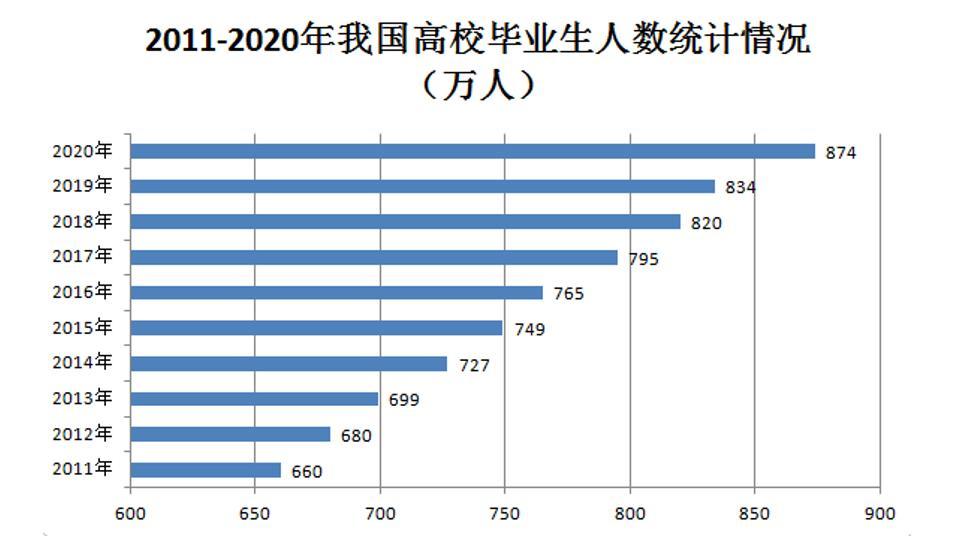
429. 【材料】2019年,全国高校普通本专科招生914.90万人,比上年增加123.91万人;在校生增长 ,增加了200.49万人;毕业生758.53万人,增长
 。
从各省市来看,2019年共有10省市毕业生人数超30万人。其中河南省普通本专科毕业生人数全国第一,达到59.34万人,其中本科毕业生27.67万人。山东省排名第二,共有57.8万人毕业,其中专科毕业生33.33万人。广东省以52.21万人的毕业生人数排名第三位,其中本科毕业生26.76万人。
 药物不良反应是指正常剂量的药物用于预防、诊断、治疗疾病或调节生理机能时出现的有害的和与用药目的无关的反应。
根据上述定义,下列属于药物不良反应的是( )。
,增加了200.49万人;毕业生758.53万人,增长。
从各省市来看,2019年共有10省市毕业生人数超30万人。其中河南省普通本专科毕业生人数全国第一,达到59.34万人,其中本科毕业生27.67万人。山东省排名第二,共有57.8万人毕业,其中专科毕业生33.33万人。广东省以52.21万人的毕业生人数排名第三位,其中本科毕业生26.76万人。
药物不良反应是指正常剂量的药物用于预防、诊断、治疗疾病或调节生理机能时出现的有害的和与用药目的无关的反应。
根据上述定义,下列属于药物不良反应的是( )。练习本题 ›
单项选择题单选真题改编 · 2021
430. 【材料】2019年,全国高校普通本专科招生914.90万人,比上年增加123.91万人;在校生增长,增加了200.49万人;毕业生758.53万人,增长。
从各省市来看,2019年共有10省市毕业生人数超30万人。其中河南省普通本专科毕业生人数全国第一,达到59.34万人,其中本科毕业生27.67万人。山东省排名第二,共有57.8万人毕业,其中专科毕业生33.33万人。广东省以52.21万人的毕业生人数排名第三位,其中本科毕业生26.76万人。
某研究所进行了一次实验,让两批实验者分别进入睡眠实验室。第一批实验者睡得很晚,但睡眠时间充足,第二批实验者睡得很早,但睡眠时间短暂。第三晚后,第二批实验者情绪变得消极,友善度也大幅下降。研究者据此认为,睡眠时间短暂导致实验者无法获得足够的短波睡眠,而短波睡眠是恢复精力的关键。但也有其他研究者对该结论提出质疑。
下列哪项如果为真,最能反驳质疑者?( )
,增加了200.49万人;毕业生758.53万人,增长。
从各省市来看,2019年共有10省市毕业生人数超30万人。其中河南省普通本专科毕业生人数全国第一,达到59.34万人,其中本科毕业生27.67万人。山东省排名第二,共有57.8万人毕业,其中专科毕业生33.33万人。广东省以52.21万人的毕业生人数排名第三位,其中本科毕业生26.76万人。
某研究所进行了一次实验,让两批实验者分别进入睡眠实验室。第一批实验者睡得很晚,但睡眠时间充足,第二批实验者睡得很早,但睡眠时间短暂。第三晚后,第二批实验者情绪变得消极,友善度也大幅下降。研究者据此认为,睡眠时间短暂导致实验者无法获得足够的短波睡眠,而短波睡眠是恢复精力的关键。但也有其他研究者对该结论提出质疑。
下列哪项如果为真,最能反驳质疑者?( )练习本题 ›
公共基础知识单选真题改编 · 2021
431. 根据《中华人民共和国宪法》规定,下列关于我国公民基本权利和义务说法不正确的是( )。
练习本题 ›
事业单位非联考事业单位非联考(安徽省)单选难度 2
432. 中国共产党第十九届中央委员会第二次全体会议于2018年1月18日至19日在北京召开,会议的主要议题是:
练习本题 ›
言语理解与表达单选真题改编 · 2021
433. 家长是孩子的第一任老师,须给孩子讲好“人生第一课”,帮助孩子扣好“人生第一粒扣子”。家长应给孩子树立良好的榜样,从“重知识教育、轻劳动教育,重智能教育、轻体力教育”的误区中走出来,注重加强对孩子的劳动教育,鼓励孩子自觉参与、自己动手,随时随地、坚持不懈进行劳动,培养其勤劳向上的品格和素养。
填入画横线部分,最恰当的一句是( )。
练习本题 ›
单项选择题单选真题改编 · 2021
434. 根据《中华人民共和国民法典》规定,下列说法正确的是( )。
练习本题 ›
单项选择题单选真题改编 · 2018
435. 管理者是管理活动的( )。
练习本题 ›
单项选择题单选真题改编 · 2018
436. 我国每月农历的最后一天称为( )。
练习本题 ›
单项选择题单选真题改编 · 2021
437. 不动产的登记转让,是由( )的登记机构办理。
练习本题 ›
单项选择题单选真题改编 · 2023
438. 土地革命战争时期,中国共产党在湖南、江西两省边界地区领导农民自卫军、工人纠察队和革命士兵举行的武装起义是( )。
练习本题 ›
单项选择题单选真题改编 · 2020
439. 随着我国抗击疫情不断取得胜利( )零时起,武汉市正式解除离汉离鄂通道管控措施,有序恢复对外交通。
练习本题 ›
单项选择题单选真题改编 · 2018
440. 世界卫生日是每年的( )。
练习本题 ›
言语理解与表达单选真题改编 · 2019
441. 孔子文化节不仅是一场文化盛宴,更是对“郁郁乎文哉”的文明盛象的具体呈现,从最初的“孔子诞辰故里游”到今天的“孔子文化节”,变化的不只是名称,更是不断饱满的文化 和不断厚植的文化 。
依次填入画横线部分最恰当的一项是( )。
练习本题 ›
单项选择题单选真题改编 · 2019
442. 在民事案件执行过程中,关于追索抚育费案件中的权利人死亡的,可以( )。
练习本题 ›
判断推理单选真题改编 · 2018
443. 有这样一句话:“你是否已停止骗人?”
下列选项中,与此句的形式最为相似的一句话是( )。
练习本题 ›
单项选择题单选真题改编 · 2023
444. 在幻灯片放映时,单击鼠标右键,可弹出控制放映过程的快捷菜单,其中的“( )”命令可以让用户在幻灯片上写字或画画。
练习本题 ›
判断推理单选真题改编 · 2018
445. ( )对于“鸵鸟”相对于“梵蒂冈”对于( )。
练习本题 ›
单项选择题单选真题改编 · 2018
446. 在资源管理器窗口的左窗格中,会有“ ”“
 ”等符号,若文件夹图标前标有“”时,表示该文件夹的状态是( )。
”“”等符号,若文件夹图标前标有“”时,表示该文件夹的状态是( )。练习本题 ›
单项选择题单选真题改编 · 2020
447. 根据《中华人民共和国民法总则》,自然人下落不明满( )年的,利害关系人可以向人民法院申请宜告该自然人为失踪人。
练习本题 ›
资料分析单选真题改编 · 2018
448. 【材料】2015年6月份,全国财政支出16522亿元,比去年同月增加3418亿元。增长 。其中,中央财政本级支出2017亿元,同比增长
 ;地方财政支出14505亿元,同比增长
 。全国财政支出重点项目预算执行进度加快。
1—6月累计,全国财政支出69154亿元,比去年同期增加9440亿元,增长
 。其中,中央财政本级支出10812亿元,同比增长
 ;地方财政支出58342亿元,同比增长
 。
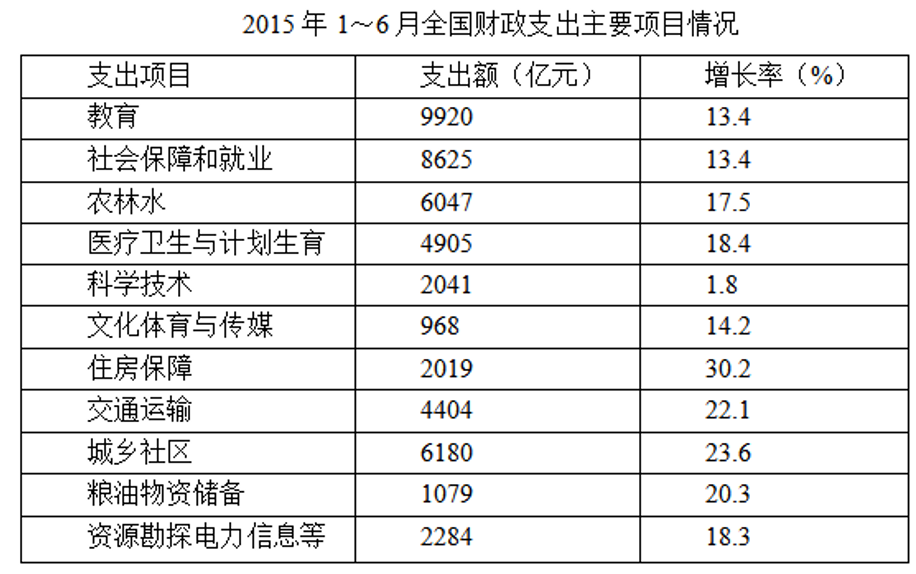 2015年1—6月,全国财政支出各主要项目中同比增长量最多的是( )。
。其中,中央财政本级支出2017亿元,同比增长;地方财政支出14505亿元,同比增长。全国财政支出重点项目预算执行进度加快。
1—6月累计,全国财政支出69154亿元,比去年同期增加9440亿元,增长。其中,中央财政本级支出10812亿元,同比增长;地方财政支出58342亿元,同比增长。
2015年1—6月,全国财政支出各主要项目中同比增长量最多的是( )。练习本题 ›
言语理解与表达单选真题改编 · 2019
449. 下列没有语病的一项是( )。
练习本题 ›
公共基础知识单选真题改编 · 2018
450. 一个社会的上层建筑的核心是( )。
练习本题 ›
题目免费浏览 · 整套练习与模拟考登录后开始 · 答案与解析登录后可见